
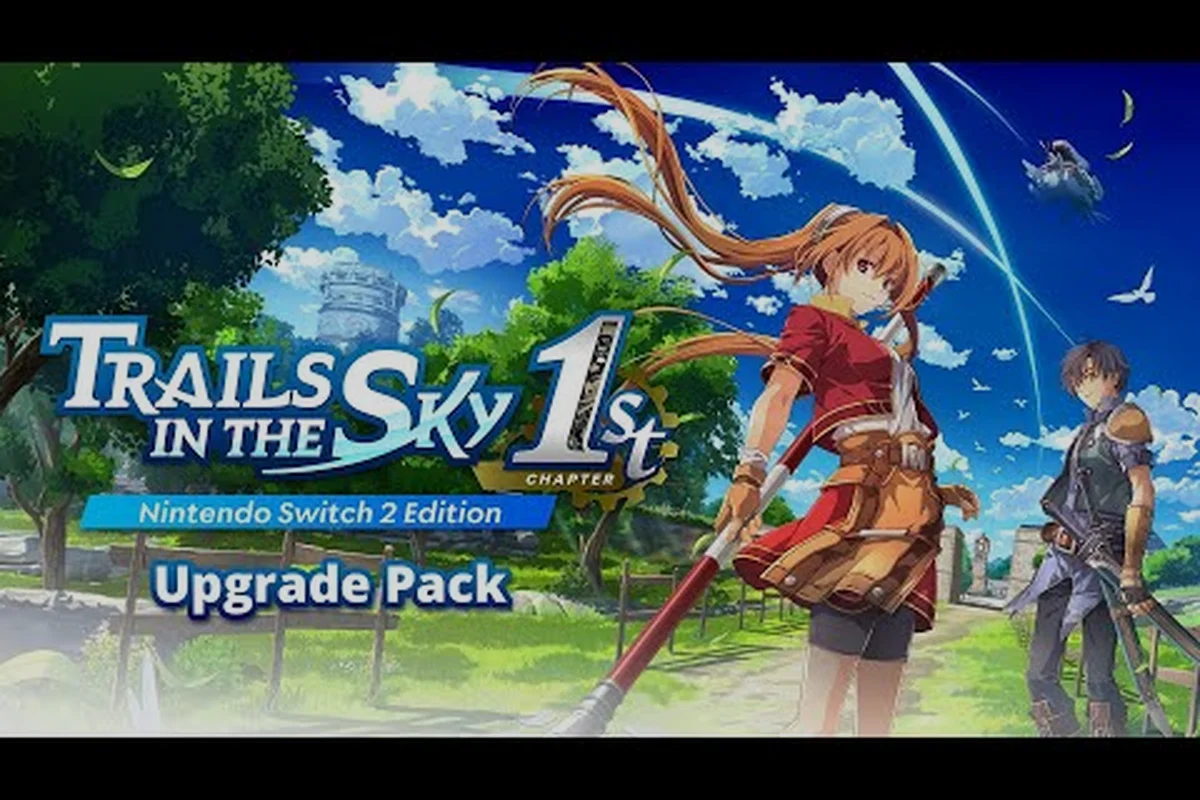
The wait is finally over for fans of the Liberl arc. Trails in the Sky 2nd Chapter quality of life changes transform the classic 2006 JRPG into a modern experience that respects both newcomers and series veterans. This official remake launches worldwide on September 17, 2026, bringing the beloved sequel into full 3D while preserving everything that made the original special.
When Trails in the Sky 2nd Chapter remake arrives on PC via Steam and on consoles, players will notice immediately that this is not a simple remaster. The Trails in the Sky SC remake rebuilds the entire game with modern mechanics, updated visuals, and thoughtful improvements that address nearly every friction point from the original release. From trails in the sky 2nd chapter difficulty changes that smooth out the brutal spikes to trails in the sky 2nd chapter audio changes that reorchestrate the iconic soundtrack, this guide breaks down every meaningful upgrade.
Core QoL Upgrades in the SC Remake
The development team at Nihon Falcom studied player feedback from both the original 2006 release and the 1st Chapter remake before implementing changes. According to the official Steam page and GungHo's announcement, the goal was to eliminate frustration without diluting the tactical depth that defines the series.
Modern Convenience Features
-
Quest markers on the map — Every active objective now displays a waypoint, eliminating the need to consult external guides constantly
-
Fast travel between cities — Unlocked after Chapter 2, this cuts down on backtracking significantly
-
Improved inventory sorting — Quartz and equipment now auto-categorize with filter options
-
Battle speed multiplier — Toggle between 1x, 2x, and 4x animation speed
-
Skip function for repeat dialogue — First-time lines cannot be skipped, but repeated conversations can
-
Encyclopedia integration — Characters, enemies, and terms auto-log as you encounter them
For players who want to experience the story without interruption, the game also introduces a dialogue log that stores the last 200 lines from the current scene. This proves invaluable during complex political discussions that dominate the second half of the narrative.
Interface and Menu Improvements
The remake's UI has been completely redesigned for clarity. The orbment menu now shows elemental affinity bonuses at a glance, while the battle report system tracks damage dealt, received, and healing totals per encounter. When comparing the original to the remake, the differences are substantial:
| Feature | Original (2006) | Remake (2026) |
|---|---|---|
| Quest tracking | Manual log only | Map markers + log |
| Battle speed | Fixed animation | 1x / 2x / 4x toggle |
| Save system | Single save slot | Auto-save + 20 slots |
| Item stacking | 99 per slot | 999 per slot |
| Tutorial prompts | Text-heavy | Interactive popups |
The save system improvement deserves special attention because it removes the anxiety of losing hours of progress. Auto-save triggers at every chapter transition, boss encounter, and major dialogue choice, which is reported by players as one of the most appreciated additions.
Difficulty Adjustments and Accessibility Options
Trails in the Sky 2nd Chapter difficulty changes represent one of the most discussed aspects of the remake. The original game featured notorious difficulty spikes, particularly during the final dungeon and certain optional bosses. The remake addresses these through a more nuanced system.
Difficulty Modes and Accessibility Toggles
| Difficulty | Enemy Stats | EXP Gain | Recommended For |
|---|---|---|---|
| Easy | 80% | +50% | Story-focused players |
| Normal | 100% | 100% | Series newcomers |
| Hard | 120% | 90% | Trails veterans |
| Nightmare | 150% | 75% | Challenge seekers |
The Nightmare mode includes exclusive enemy formations and altered boss patterns, giving veterans a reason to replay even if they completed the original. Meanwhile, Easy mode does not simply reduce numbers — it also provides recovery items after boss losses, ensuring the story remains accessible.
Combat Balance Changes
Beyond difficulty presets, the remake adjusts core combat mechanics. Craft gauge regeneration now occurs 20% faster during normal encounters, while S-Craft damage caps have been raised for late-game characters. The AT (Action Time) bonus system now displays probabilities before each turn, letting players plan around critical hits or healing procs more effectively.
Reported by players who tested the preview build, the arena of the fourth chapter no longer requires grinding to survive. The level curve has been smoothed, meaning players who explore thoroughly will not need to grind for more than an hour at any point. This addresses the most common complaint from the original release while keeping boss fights tense and tactical.
Audio Changes and Music Enhancements
Soundtrack Overhaul
-
Full orchestral recordings for major battle themes and cutscene music
-
Remastered field themes that preserve the original melodies with modern instrumentation
-
Dynamic music system — battle themes intensify during boss phases
-
Environmental audio — cities now have ambient sounds like birds, water, and crowd chatter
Trails in the Sky 2nd chapter audio changes go far beyond simple remastering. The remake features a fully reorchestrated soundtrack performed by a live ensemble, with the original MIDI versions also selectable for purists. The reorchestrated music was highlighted in the official announcement from GungHo as one of the flagship features. According to community data from the Japanese preview events, long-time fans responded positively to the new arrangements, particularly the "Silver Will" battle theme and the "Fateful Confrontation" boss music.
Voice Acting and Audio Options
-
Both English and Japanese voice acting are included, with full dubbing for all main story scenes. The English cast from the 1st Chapter remake returns, ensuring consistent performances across both games. Important audio options include:
-
Separate volume sliders for BGM, SFX, and voice
-
Battle voice frequency setting (Low / Normal / High)
-
Subtitles for environmental sounds — useful for hearing-impaired players
-
Headphone mix mode that enhances positional audio during exploration
Exploration and Progression Improvements
The audio changes also extend to field conversations, which now include ambient voice lines from party members during exploration. These small touches add life to the world without overwhelming the player. The remake significantly reduces the friction of trails in the sky 2nd chapter progression systems. Between the Bracer Guild quests and the main story, players previously had to juggle multiple tracking methods. Now everything integrates more smoothly.
Quest and Side Content Refinements
The quest system receives one of the most substantial overhauls. All side quests now display a recommended level, and the quest log automatically sorts by region and deadline. This matters because the original game punished players who missed time-limited quests without warning.
| Quest Type | Original System | Remake System |
|---|---|---|
| Main story | Linear progression | Chapter-based with summaries |
| Bracer guild | Hidden deadlines | Visible timers |
| Hidden quests | No notification | Discovery hints |
| Book collection | Manual tracking | Auto-collection log |
| Recipes | Drop-based | Cooking menu integration |
Hidden quests now provide discovery hints through NPC dialogue changes, alerting observant players to investigate further. For a complete breakdown of every task, the all quests list details every main and side objective with rewards.
Progression and Gear Management
The Orbment system now includes preset loadout slots — players can save up to five configurations per character and swap between them outside battle. This quality of life change eliminates the tedious process of manually removing and reinserting quartz when adjusting elemental lines.
Equipment upgrading also gains a compare view that shows all stat changes on one screen, rather than requiring multiple menu transitions. According to community reports, these small workflow improvements reduce total menu navigation time by roughly 30% during extended play sessions. For players interested in the full character selection, the complete character list provides stats on every party member.
Visual Presentation and Performance Options
The visual upgrade from the original 2D sprites to the full 3D remake represents a massive technical leap. The Trails in the Sky 2nd Chapter remake uses a stylized cel-shaded art style that captures the spirit of the original character designs while adding modern detail.
Graphics Modes
| Mode | Resolution | Frame Rate | Details |
|---|---|---|---|
| Performance | 1440p | 60 fps | Reduced post-processing |
| Quality | 4K | 30 fps | Full effects |
| Balanced | 1440p | 45+ fps | Adaptive resolution |
| Unlocked | Variable | Uncapped | For PC high-end |
The PC version supports ultra-wide monitors, DLSS, and FSR, with comprehensive keybinding options. PS5 and Xbox Series X players get a fast load time of under five seconds when traveling between regions, compared to the 15-20 second loads on original hardware.
Camera and Scene Improvements
The camera system has been rebuilt for the 3D environment. Players can now adjust camera distance, rotation speed, and auto-follow behavior through comprehensive sliders. The overworld map transitions more smoothly, and dungeon environments feature improved lighting that makes navigation easier without breaking the atmosphere.
Frequently Asked Questions
What are the biggest Trails in the Sky 2nd Chapter quality of life changes?
The biggest quality-of-life upgrades are fast travel between towns, on-screen quest markers, a four-times battle speed toggle, and auto-save. These remove the tedious backtracking, guesswork, and slow pacing that plagued the 2006 original, making exploration and combat flow far smoother.
Will the Trails in the Sky 2nd Chapter remake change the original story?
No, the story stays true to the original. The remake focuses on quality-of-life changes like faster field movement, streamlined menu navigation, and clearer quest markers, while adding voice acting and richer cutscenes. Every major plot beat, character arc, and ending remains untouched.
How do the difficulty changes affect my experience?
The new difficulty system in Trails in the Sky 2nd Chapter feels far more tailored to your pace. Easy mode grants recovery items after losses, while Nightmare adds exclusive enemy formations. The smoother level curve cuts mandatory grinding by roughly half, letting you focus on story and tactics without tedious repetition.
Are the audio changes worth playing with the new soundtrack?
Yes, the reorchestrated soundtrack deepens emotional beats like Loewe’s duel, but the original MIDI remains selectable in the config menu. For those chasing the 2006 vibe, toggling legacy audio preserves that nostalgic crunch without losing access to the new mix.
Does the remake support cross-save between platforms?
Cross-save works between Steam and Epic Games Store, as confirmed in the August 2026 announcement. PlayStation and Xbox cross-save won’t launch initially, but Falcom’s internal roadmap lists it for future updates, alongside other Trails in the Sky 2nd Chapter quality-of-life improvements.